

UAE AI Data Center Investment: $6.3B Japan Deal Signals Gulf’s Global AI Push
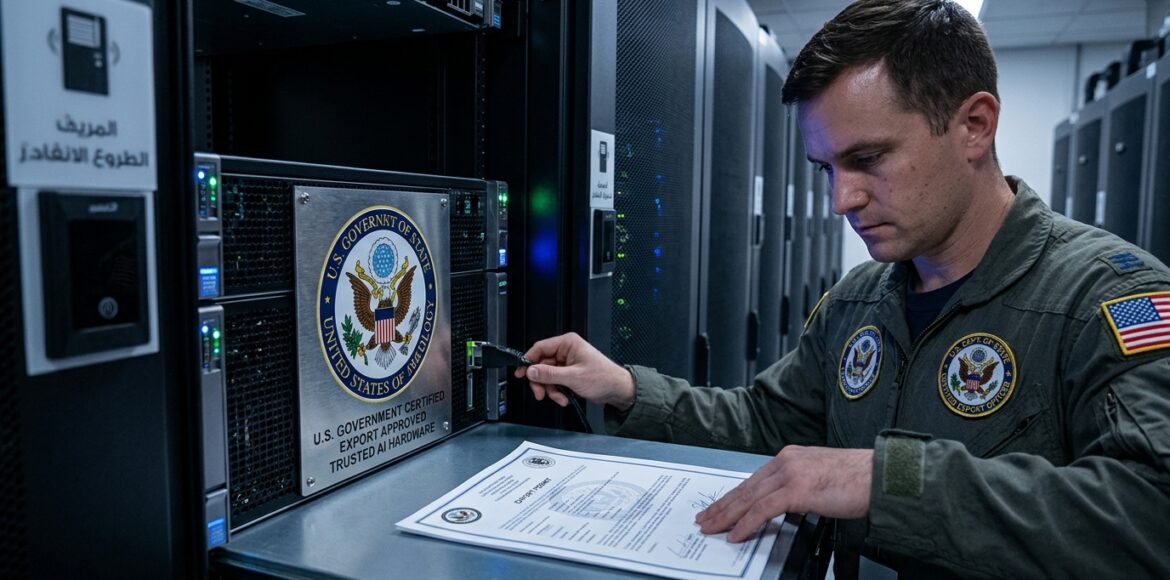
Today’s headlines put the UAE squarely at the centre of the global AI infrastructure race, with a major UAE AI data center investment in Japan grabbing the spotlight alongside fresh signs of US policy support for Gulf AI ambitions. For business owners in Dubai, the wider GCC, the US and the UK, these stories are a reminder that AI is no longer a side project — it’s becoming core infrastructure, capital strategy and competitive positioning. Here’s what happened and what it means for your business.
UAE and Gulf AI News
UAE Weighs $6.3 Billion AI Data Center Investment in Japan
A UAE-linked fund is reportedly considering a massive $6.3 billion investment to build an AI data center in Japan, according to Bloomberg.com. The same story was also picked up by Muslim Network TV. This is a huge sum, and it shows that UAE capital is now actively shaping AI infrastructure well beyond the Gulf itself, moving into key allied markets like Japan.
What it means for businesses: This kind of cross-border AI infrastructure investment signals long-term confidence in AI’s economic future and points to deepening ties between the UAE and major Asian economies. For UAE and GCC businesses, it reinforces the message that AI compute capacity — the “factories” behind chatbots, automation tools and predictive analytics — is a strategic asset worth billions. Companies in real estate, logistics, and finance should expect faster, cheaper access to AI tools as this global infrastructure build-out continues, and should start planning now for how AI-powered automation fits into next year’s operations.
Trump Administration Offers a Boost to Gulf AI Ambitions
A new piece from Just Security examines how the Trump administration is throwing what it calls a “lifeline” to Gulf AI ambitions — effectively easing the path for Gulf states, including the UAE, to access advanced US AI chips and technology partnerships.
What it means for businesses: Easier access to cutting-edge chips and technology partnerships is good news for any UAE or GCC company hoping to deploy serious AI systems — from hospitality chatbots to healthcare diagnostics. It suggests the regulatory environment is becoming more favourable for regional AI adoption, which should translate into more advanced, more affordable AI tools reaching local businesses sooner rather than later.
A Region on the Rise: MIT Sloan’s AI Dispatch
MIT Sloan Management Review Middle East frames today’s global shifts as a “reorder” that is putting the Middle East on the rise as an AI power centre, reflecting the same momentum seen in the Japan investment and US policy stories.
What it means for businesses: This is a strategic signal for local business leaders: the region is being repositioned globally as an AI hub, not just an AI consumer. Companies that move early to build AI capability — whether through automation, customer service bots or data-driven marketing — are more likely to benefit from this shift than those who wait.
Local Founder in the Spotlight
Closer to home, Labarna AI founder Steven Foster was named the cover feature of Bizpreneur Middle East, according to EIN News. The feature highlights homegrown AI entrepreneurship in the region.
What it means for businesses: It’s a useful reminder that the UAE’s AI ecosystem isn’t just large funds and global mega-deals — there’s a growing base of local founders and companies building practical AI products for regional markets, which smaller businesses can look to as partners or inspiration.
International AI News
AI’s Progress and Limits in Drug Discovery
Nature published a deep look at where AI in drug discovery currently stands and what challenges remain before it fully transforms pharmaceutical research.
What it means for businesses: For healthcare and life-sciences companies in the region, this is a signal to stay realistic: AI is accelerating research, but human expertise and clinical validation remain essential. Businesses investing in AI-driven health innovation should plan for a longer runway rather than expecting overnight breakthroughs.
Does AI Worsen Health Care Disparities?
HCPLive raises important questions about whether AI tools in healthcare might unintentionally deepen existing gaps in patient care.
What it means for businesses: Clinics, hospitals and health-tech startups adopting AI diagnostic or triage tools should build in careful oversight and bias-testing before rollout, ensuring AI improves outcomes for all patients rather than favouring some groups over others.
WSJ Opinion: Don’t Anthropomorphize AI
A WSJ opinion piece cautions against treating AI systems as if they have human-like understanding or intent, warning this mindset can lead to poor decisions.
What it means for businesses: This is a practical warning for anyone deploying chatbots or AI assistants in customer service or marketing: AI tools are powerful pattern-matchers, not thinking colleagues. Setting realistic expectations with staff and customers about what AI can and can’t do helps avoid over-reliance and miscommunication.
The Bigger Picture for Regional Businesses
Taken together, today’s stories show a UAE that is investing aggressively in AI infrastructure abroad while benefiting from friendlier US policy at home — all while the world debates AI’s real-world limits in healthcare and human interaction. For businesses across Dubai, the wider UAE, GCC, US and UK, the practical takeaway is the same: AI adoption is accelerating, but success depends on choosing the right tools, setting realistic expectations and implementing responsibly.
If you’re a business owner wondering how these global and regional AI shifts could translate into real automation, customer service or marketing improvements for your own company, it’s worth exploring what’s possible with the right guidance. DigiPromise works with businesses across the UAE, GCC, USA and UK to turn AI trends like these into practical, results-driven solutions.