

UAE Trusted AI Partner Status Fuels Gulf’s AI Infrastructure Boom
It’s a big day for AI news out of the Gulf, with a major update to how the US treats the UAE as an AI trading partner, new classroom experiments with AI, security questions over regional data centres, a fresh smart-city partnership, and even a Wall Street column asking whether UAE data centre investments are too good to be true. Here’s what business owners across the UAE, GCC, USA and UK need to know.
The headline development is the UAE’s newly confirmed trusted AI partner status, which signals a shift in how Washington is willing to work with Gulf nations on advanced technology. This status, combined with growing investment interest and infrastructure partnerships, shows the UAE is positioning itself as a serious hub for AI-driven business — but not without real questions around security and risk that leaders need to weigh carefully.
UAE Trusted AI Partner Status: A New Model for US-Gulf Tech Relations
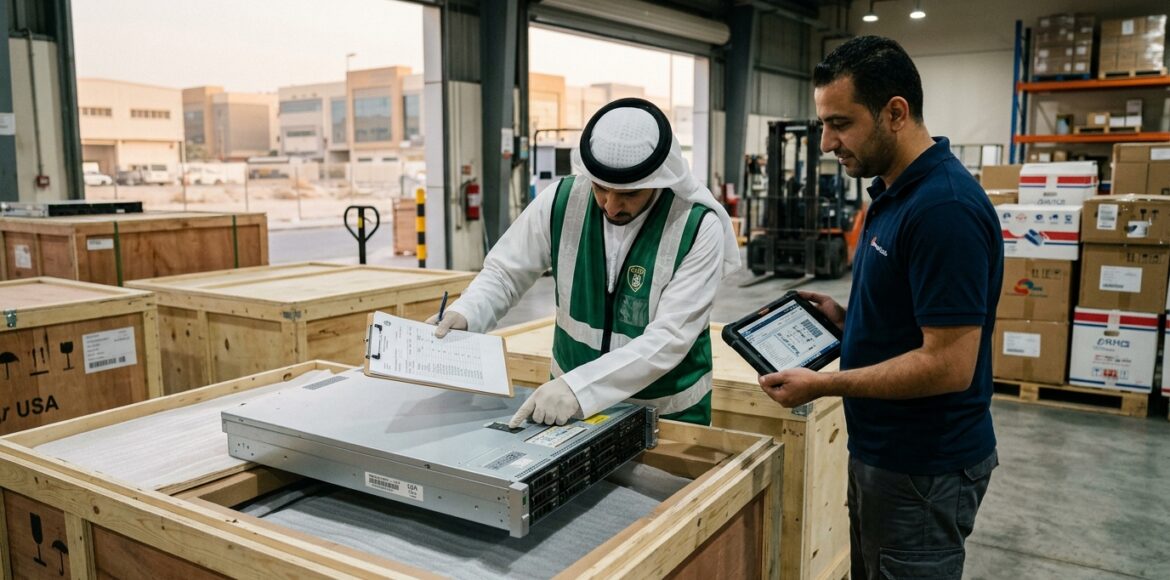
According to Morgan Lewis, the UAE’s updated export control framework confirms it as a new kind of trusted partner under US rules governing advanced AI chips and technology. In plain terms, this means the US is willing to loosen restrictions on sensitive AI hardware and software flowing into the UAE, provided strict safeguards are in place.
What it means for business: This is a strong signal of confidence in the UAE’s AI governance and compliance standards. For companies in the UAE and wider GCC, it should mean easier access to cutting-edge AI chips, cloud infrastructure and enterprise AI tools that were previously harder to source due to export restrictions. Businesses planning AI-driven automation, data centres or advanced analytics projects may find procurement timelines and partnerships with US tech providers becoming smoother over the coming months.
AI Reaches the Classroom: Kindergartners in the UAE
Rest of World reports that the UAE is introducing AI tools and concepts into early childhood education, embracing the technology for kindergarten-age children as part of its broader push to build an AI-fluent population from the youngest ages.
What it means for business: This reflects a national strategy that goes beyond infrastructure — the UAE is cultivating future AI-literate talent and consumers. For businesses in edtech, childcare services, or family-focused retail and hospitality, this signals growing comfort with AI tools across all age groups, which could open doors for AI-assisted learning products, parent-facing apps, and smart classroom technology partnerships.
Security Concerns: Could Gulf Data Centres Be a Target?
Al Jazeera examines how threats from Iran against Gulf data centres raise serious questions about how exposed the region’s internet and AI infrastructure actually are, given the enormous concentration of data centres and cloud services now based in the Gulf.
What it means for business: As the UAE and GCC become global AI and cloud hubs, the stakes for cybersecurity and infrastructure resilience rise too. Businesses relying on cloud services, ecommerce platforms, or customer data stored in regional data centres should treat this as a prompt to review disaster recovery plans, data redundancy, and vendor security credentials — not to panic, but to be prepared.
Smart Cities Get a Boost: Dell and Tahaluf Partnership
Per TechAfrica News, Dell Technologies and Tahaluf have partnered to deliver AI-powered solutions for UAE smart city initiatives, combining Dell’s infrastructure expertise with Tahaluf’s regional presence.
What it means for business: Smart city rollouts typically mean new AI-driven systems for traffic, utilities, public safety and urban planning — all of which create opportunities for local vendors, contractors, and service providers who can integrate with these platforms. Real estate developers and facilities management firms in particular should watch how these smart city standards evolve, as they will likely shape future building and infrastructure requirements.
Is a UAE Data Centre Investment Too Risky?
A more cautionary note comes from MarketWatch, where a reader describes being advised to invest $350,000 in a UAE data centre and asks whether this level of exposure to a single regional asset class is too risky.
What it means for business: This is a useful reminder that while the UAE’s AI infrastructure boom is real and well-documented, individual investment decisions still require careful due diligence, diversification, and realistic risk assessment — a lesson that applies equally to business owners considering large capital commitments to AI-related ventures, whether that’s cloud infrastructure, hardware, or data centre partnerships.
Around the World: AI in Education and Climate Policy
Internationally, coverage was lighter but still relevant. Greater Good published a personal reflection from a parent on what their son is learning from everyday use of AI tools, a useful reminder that AI literacy is becoming a household skill, not just a workplace one.
Separately, the Center for Climate and Energy Solutions released a discussion paper examining how AI is being addressed under the UNFCCC, flagging emerging questions about AI’s role in climate policy and reporting — a sign that regulators globally are starting to connect AI’s environmental footprint to climate frameworks, which could eventually touch data centre operations in energy-intensive markets like the Gulf. ABC News also continued its ongoing coverage of the broader AI landscape.
From trusted-partner trade status to classroom pilots and smart city rollouts, the UAE’s AI momentum is accelerating on multiple fronts at once — alongside real questions about security and investment risk that deserve attention. If you’re a business owner trying to make sense of what any of this means for your own operations, customer experience, or growth plans, the team at DigiPromise can help you cut through the noise and build a practical AI strategy that fits your business.

 DigiPromise