

AI Shoplifting Detection Spreads Through US Stores — Here’s What It Means for Business
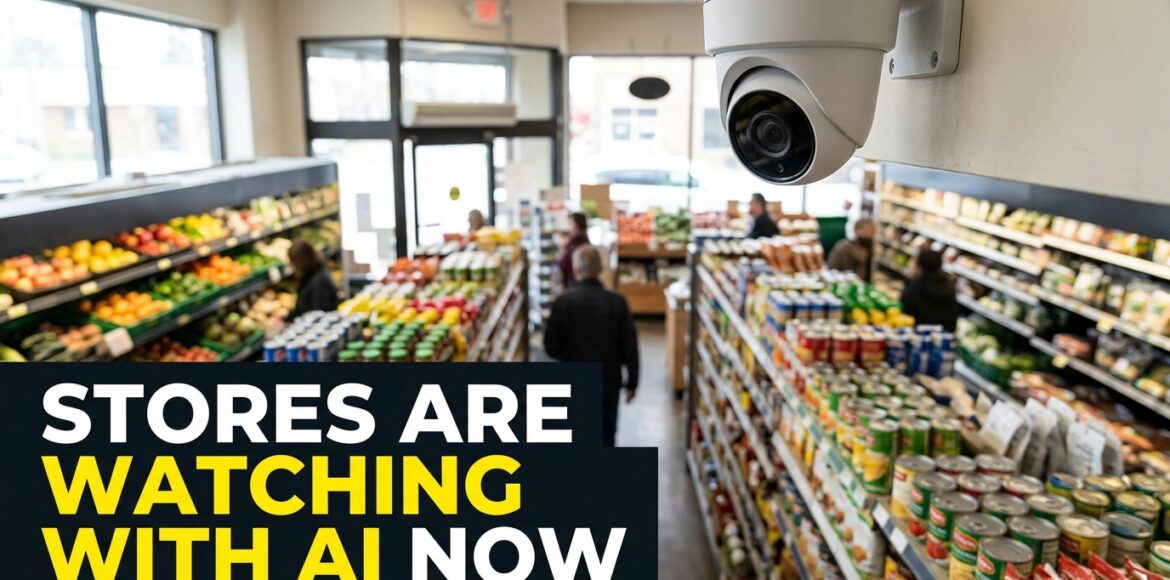
Today’s AI headlines are a mixed bag, but one story stands out because it’s already playing out in real stores, affecting real shoppers, and raising real questions for any business that handles cash, inventory or foot traffic: the quiet, rapid expansion of AI shoplifting detection systems across Chicago-area retailers.
AI Shoplifting Detection Is Now Mainstream in US Retail
According to ABC7 Chicago, more supermarkets and retail chains in the Chicago area are rolling out AI-powered cameras and software designed to flag suspicious behavior in real time — identifying patterns that look like concealment, cart-pushing-and-leaving, or organized retail theft before a person ever reaches the exit. Store operators say the systems are cutting losses. But the report also notes pushback: shoppers and privacy advocates worry about false flags, bias in who gets watched most closely, and the general creep of constant algorithmic surveillance in everyday spaces.
This is why the story is generating so much conversation. It isn’t a lab demo or a future promise — it’s AI quietly embedded in the physical spaces people walk through every day, making judgment calls about who looks “suspicious.” That tension between loss prevention and customer trust is exactly the kind of debate that spreads fast on social media and local news, because almost everyone shops somewhere that could install this next.
What This Means for Retailers, Hospitality and Service Businesses
For any business with a physical storefront, showroom, warehouse or hotel lobby, this story is a preview of a decision you may soon face too. A few practical takeaways:
- Loss prevention is becoming proactive, not reactive. Instead of reviewing footage after a theft, AI systems increasingly alert staff in the moment — useful for retail, pharmacies, electronics stores and even hotel gift shops.
- Customer trust has to be designed in from day one. The backlash mentioned in the report is a warning: deploy this kind of monitoring without clear policies, signage and fairness checks, and you risk alienating loyal customers over a handful of false alarms.
- Bias and accuracy matter as much as detection rate. Any automation that profiles behavior needs regular auditing, especially in markets like the UAE and GCC where diverse, multicultural customer bases deserve consistent, non-discriminatory treatment.
- This isn’t just for retail. The same underlying technology — pattern recognition on camera feeds — is being adapted for warehouses, real estate site security, and even restaurant or hospitality back-of-house operations to flag unusual activity.
The bigger lesson for business owners is that AI automation is moving past chatbots and into physical operations: security, inventory, and real-time decision-making on the shop floor. Done thoughtfully, it protects margins. Done carelessly, it becomes a PR headache.
Also in AI Today
Law Firms Are Formalizing AI Partnerships
A company called Simone has signed an agreement with Harvey, an AI platform built for legal work, according to www.marketscreener.com. Deals like this show professional services firms — law, accounting, consulting — are moving beyond trials and into formal AI vendor relationships to speed up document review and research.
AI Still Can’t Replace the Human Advisor
The South Dakota Standard argues that while AI can crunch numbers, it can’t replicate the trust and judgment a human financial planner brings. It’s a useful reminder for any business selling advisory services: AI is a tool to make your experts faster, not a replacement for the relationship clients actually pay for.
AI in Radiology and Investigations
Forbes explores how AI, mathematics and Forbes are reshaping radiology and human understanding of diagnostic imaging, while Global Investigations Review covers how compliance and legal teams are putting AI to work in corporate investigations — both signs that AI’s role in high-stakes, judgment-heavy fields is expanding fast.
Whether it’s a camera flagging unusual behavior on a shop floor or software drafting a legal document in minutes, the thread running through today’s news is the same: AI is quietly becoming part of normal business operations, not a futuristic add-on. If you’re wondering how automation like this could work for your store, clinic, agency or hotel without sacrificing customer trust, DigiPromise can help you explore what fits your business at digipromise.com.

 DigiPromise