

The AI Resurrection Industry: Who Really Benefits From Digital Ghosts?
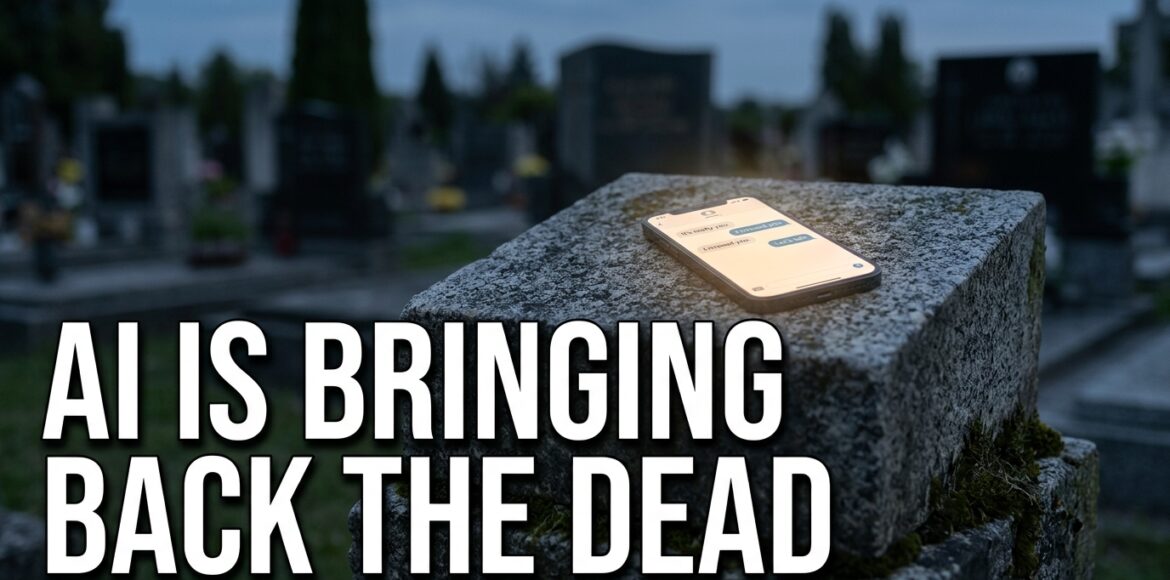
Today’s AI headlines span everything from cybersecurity to stock tips, but one story is cutting through the noise and sparking debate across social media and newsrooms alike: the rise of the AI resurrection industry. Companies are now using artificial intelligence to recreate the voices, faces and even personalities of people who have died – and the big question everyone is asking is simple: who actually benefits?
What’s Happening With the AI Resurrection Industry
According to a report from IFLScience, so-called “AI resurrections” are turning into a genuine commercial category. Using old photos, voice recordings and text messages, companies can train AI models to generate a digital likeness of a deceased person – one that can “chat” with grieving family members, respond in a familiar tone of voice, or even appear in video form.
The service is marketed as a way to help people process grief or preserve a loved one’s memory for future generations. But as the report highlights, the ethics are murky. Who owns the data used to recreate someone? Who gives consent on behalf of the deceased? And who profits when a digital version of a person keeps “existing” and potentially generating revenue long after they’re gone?
Why Everyone Is Talking About It
This story has gone viral precisely because it sits at the intersection of two things people care deeply about: technology’s rapid capability growth, and the deeply personal, emotional territory of death and memory. Unlike a typical AI chatbot story, this one forces a conversation about consent, data ownership and the commercialization of grief – topics that resonate far beyond the tech industry. It’s the kind of story that gets shared not because it’s about a new feature, but because it raises a genuinely uncomfortable question most people haven’t thought through yet.
What the AI Resurrection Trend Means for Businesses
Even if your business has nothing to do with digital afterlife services, this story is a useful signal. It shows how fast synthetic voice and video generation has advanced – the same underlying technology used to “resurrect” a person is the exact technology powering AI customer service avatars, marketing voiceovers, personalized video messages and automated sales presentations.
- Customer trust: As AI-generated voices and faces become indistinguishable from real ones, businesses using AI avatars for customer service or marketing need to be transparent about what’s synthetic and what isn’t.
- Marketing and content: The same voice-cloning and video-generation tools being used for resurrections can be used – ethically – to scale personalized video messages for clients, automate multilingual customer greetings, or create branded AI spokespeople.
- Data governance: The consent questions raised by AI resurrections apply to any business collecting customer photos, voice recordings or chat histories to train AI tools. Clear data policies are no longer optional.
- Hospitality and real estate: Realistic AI avatars could soon handle property tours or hotel concierge interactions – this story is an early warning of how real those interactions can feel, and why disclosure matters.
Also in AI Today
AI advertising disclosure laws are expanding. Pennsylvania has enacted the Artificial Intelligence Deceptive Advertising Act, introducing new disclosure requirements for AI-generated advertising, according to Consumer Finance Monitor. Businesses running AI-generated ads, even outside Pennsylvania, should watch this closely as a sign of where regulation is heading globally.
A new AI-powered bank is emerging in the Gulf. Bahrain’s Mumtalakat has partnered with ARP Group to build an artificial intelligence bank, reports Vietnam Investment Review, signaling growing Gulf investment in AI-native financial services.
AI is becoming a frontline defender for critical infrastructure. A new analysis explores how AI is being used as a “force multiplier” for security operations centers protecting power grids, utilities and other critical systems through 2030, according to debuglies.com – a reminder that AI’s role in cybersecurity is expanding fast.
Investors are still chasing AI stocks. A fresh roundup from Yahoo Finance names three AI stocks investors are reportedly buying before year-end, underscoring just how much capital continues to flow into the sector.
The Bigger Picture
Whether it’s digital resurrections, new advertising laws, or Gulf banks going AI-native, the throughline is the same: AI is moving faster than the rules and norms around it. For business owners, that’s both a warning and an opportunity – the companies that adopt AI thoughtfully, transparently and with clear customer consent will be the ones customers trust most as this technology becomes part of everyday life.
If you’re curious how AI automation – from smarter customer service to personalized marketing – could work responsibly for your business, the team at DigiPromise is happy to help you explore the possibilities.

 DigiPromise